PC Store Together Starter Builds & Early Recipes
Budget versus performance recipes that clear the queue and grow reputation fast.
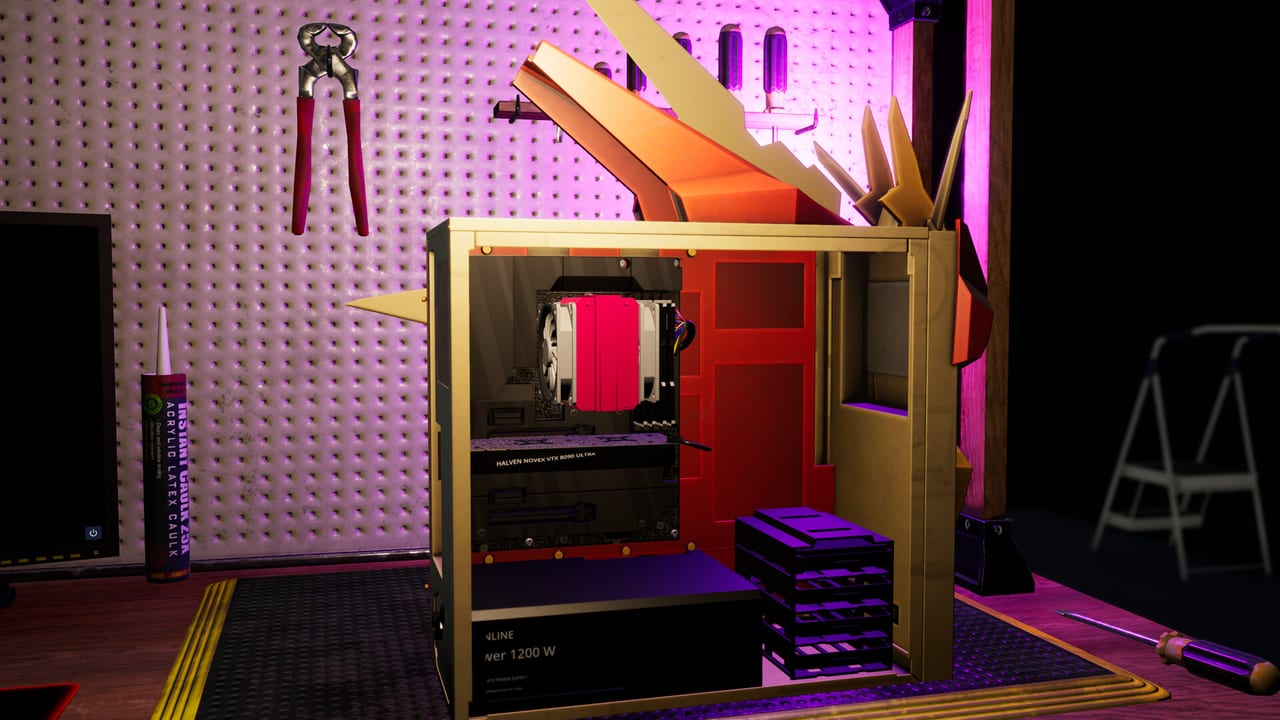
Early PC Store Together success is not about owning every part—it is about shipping repeatable builds that customers accept, that you can assemble under queue pressure, and that fund the next reputation gate. This page covers starter recipes, the budget-versus-performance mindset, and what to sell first after the November 24, 2026 full release on Steam Windows.
Read Parts Tiers for shelf priorities, Pricing & Inventory for sell prices after benchmarks, and Getting Started for the opening loop. When throughput stalls, expand benches via Store Expansion.
Mindset: budget lane vs performance lane
Run two mental lanes from day one:
- Budget lane — lowest coherent parts that still boot, pass a basic check, and leave the customer satisfied for office or light use. High volume, modest margin, excellent for reputation when the queue is long.
- Performance lane — mid-stack gaming builds that cost more parts and time but raise average ticket size once demand appears.
Do not mix lanes randomly on one chassis. A budget board with an enthusiast GPU creates cable, power, and margin headaches. Pick a recipe, stock its BOM (bill of materials), and only then offer a premium upsell.
Full release lets customers play games on finished PCs and notice real performance. That raises the floor for “gaming” claims: if you sell a gaming PC, it should feel like one in the test chair.
Recipe A — First-hour office / general PC
Goal: Clear early tickets, practice assembly order, bank reputation.
BOM focus: Entry CPU + matching motherboard, modest RAM kit, small SSD, reliable PSU, basic cooler, simple case.
Why it is S-tier early: Parts are usually unlocked first, assembly is predictable, and failures are cheaper to fix. Use this recipe when the counter is stacked and you need turnarounds more than hero margins.
Sell tip: Price after a quick functional check. Do not wait for perfect aesthetics. Happy hand-offs beat perfect RGB on day one.
Recipe B — Mid gaming starter
Goal: Answer “I want to game” without emptying the cash drawer.
BOM focus: Mid CPU lane you already stock, adequate RAM, larger SSD, GPU from the mid aisle (see Parts Tiers), PSU that actually supports the GPU, cooler with headroom, case with sane airflow.
Why it is A-tier once stable: Higher ticket, stronger reputation when the customer launches a game on the machine. Requires testing discipline—full release smarter customers punish fake gaming specs.
Sell tip: Benchmark or at least boot into a playable title before you name a premium price. Under-tested gaming PCs damage the unlock ladder.
Recipe C — Repair-first flip
Goal: Turn a broken inbound machine or trade-in into a sellable unit.
BOM focus: Spare PSU, cooler, RAM, storage, and whatever failed in the repair log. Keep cosmetics secondary.
Why it matters at launch: Realistic repairs and trade-ins are full-release pillars versus the demo. Repair-first flips can out-earn slow new builds when parts for Recipe B are scarce.
Sell tip: Be honest about refreshed hardware. Reputation loves transparency; refunds and complaints do not.
Assembly order that saves minutes
Whether solo or co-op, standardize a bench order:
- Prep motherboard outside the case when the recipe allows.
- CPU, cooler brackets, RAM, and storage plan before the GPU.
- Case cable routes with the PSU choice in mind.
- GPU last among major cards so you are not fighting brackets early.
- Boot, enter test flow, then cosmetic cable tidy.
Minutes saved per build compound across a rush. Co-op teams should print or call the same order so nobody invents a new ritual mid-sale.
Budget vs performance decision tree
Ask at the counter:
- Is the customer waiting already? → Prefer Recipe A speed.
- Did they ask for gaming and you have mid GPU depth? → Recipe B.
- Is the ticket a repair or trade-in? → Recipe C path.
- Are you out of a critical Recipe B part? → Do not bait-and-switch with a weak GPU; sell Recipe A or take a rain check.
Chasing maximum FPS on every ticket is how early shops miss reputation gates.
What to sell first (priority list)
- Completed Recipe A units already on the floor
- Repairs ready for pickup (reputation + cash without a full new BOM)
- Recipe B when parts and test time exist
- Premium cosmetics only as add-ons after the machine works
Pre-building one Recipe A during a quiet minute creates a “ready to sell” buffer. That buffer is often worth more than starting a third unfinished custom.
Co-op roles for builds
In 1–4 player lobbies:
- Builder owns Recipe A/B muscle memory
- Parts runner keeps the BOM bins topped from Parts Tiers guidance
- Tester validates gaming claims before pricing (Pricing & Inventory)
- Counter manages expectations and upsells without promising parts you do not hold
Four builders and zero counter coverage still lose customers. Role balance beats raw build speed.
Upgradeable gaming PC path
Full release highlights an upgradeable gaming PC fantasy—customers and your own shop machine can grow over time. Use that fantasy as a sales story: sell a solid mid build now, invite them back for GPU or storage upgrades later. Do not ship a broken base and promise upgrades will fix fundamentals.
Linking builds to expansion
If finished PCs pile up waiting for a free bench or test spot, you do not need a new GPU tier—you need another workbench or testing station. Read Store Expansion before you unlock another enthusiast aisle.
Launch economy context
At $12.99 with a launch intro discount on Steam app 4990940, the game itself is affordable; your in-shop capital still is not infinite. Launch CCU spikes and day-one hotfixes (see Launch Patch Notes) mean some recipes may need retuning after patches. Revisit this page when stock tables or customer AI shift.
Checklist before you open tomorrow
- Two Recipe A BOMs in bins
- One Recipe B BOM if mid GPU depth exists
- Repair reserve for PSU/RAM/storage
- Clear test flow for gaming claims
- Price sheet updated after last benchmark
- Co-op roles assigned if playing with friends
Master two recipes deeply. That beats twenty half-remembered customs. When you are ready for shelf science, return to the Tier List Hub; for specs and who the game fits, see the Players Hub and Official Links.
Frequently Asked Questions
Quick answers to the most common questions.
What should I sell first in PC Store Together?
Ship completed budget Recipe A units and finished repairs before slow premium customs. Speed and reputation fund better parts.
Budget build or gaming build early?
Default to budget when the queue is long. Switch to mid gaming only when you hold matching parts and can test performance claims.
Why do benchmarks matter for starter builds?
Full release customers are smarter and can play games on finished PCs. Price after you verify the machine matches the pitch.
How does co-op change starter builds?
Use shared recipes and roles—builder, parts runner, tester, counter—so everyone is not inventing a unique BOM mid-rush.
Where do I learn which parts to stock for these recipes?
Use the Parts Tiers page for unlock order and shelf depth, then Pricing & Inventory for sell prices and buffers.