PC Store Together Part & Build Tier Lists
Unlock order, margins, and starter recipes that keep the shop profitable.
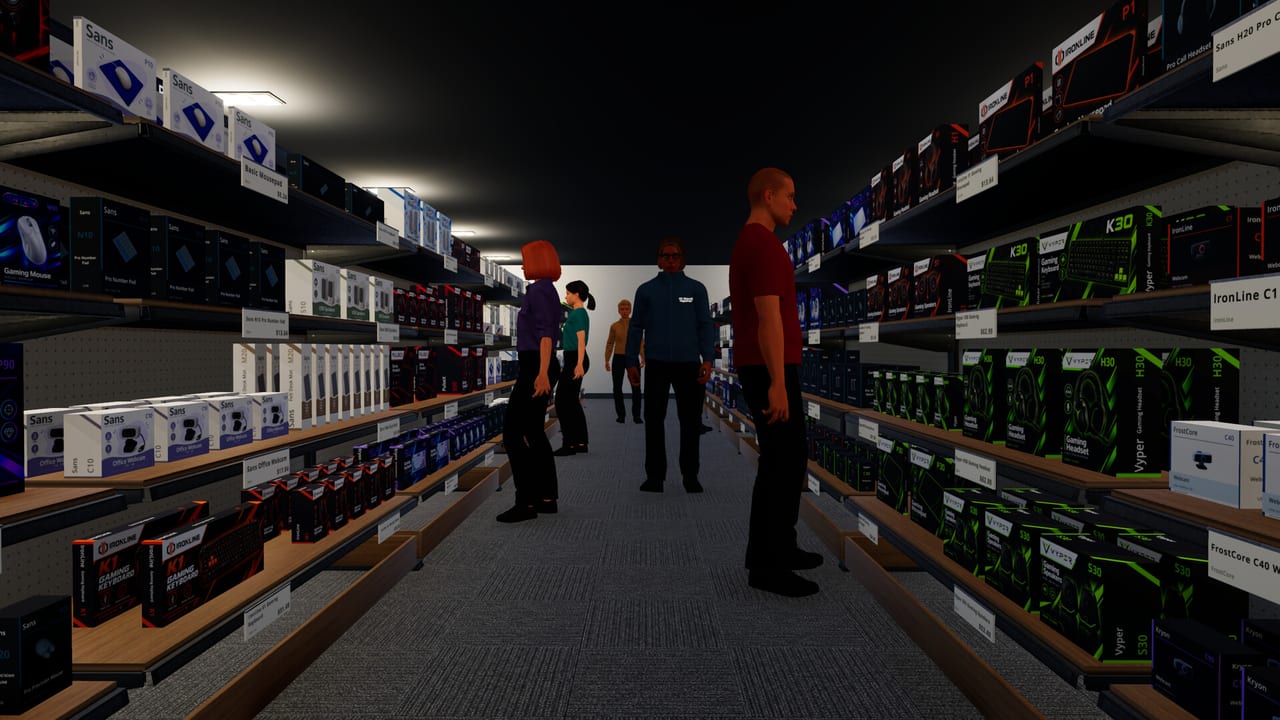
PC Store Together is a reputation-gated shop sim: you buy parts, build or repair machines, sell finished PCs, and expand the floor as customers trust you. This Tier List Hub ranks that progression the way players actually feel it—what to unlock first, which shelves deserve cash early, and which starter builds convert reputation without tanking margins.
Use this hub as the map. Deep dives live on the child pages:
- Parts Tiers — component unlock ladders, margin thinking, and stock priorities
- Starter Builds — early budget and mid-range recipes with a performance mindset
Cross-check day-one flow in Getting Started, money systems in Pricing & Inventory, and floor growth in Store Expansion. Launch context sits on Launch Patch Notes and the Players Hub.
How we rank tiers here
Unlike a competitive FPS list, PC Store Together tiers answer shop questions:
- Unlock value — does this tier open jobs you already see in the queue?
- Margin density — profit per minute of bench time, not sticker price alone
- Shelf risk — will dead stock sit while reputation stalls?
- Co-op fit — can a second player specialize (parts runner vs builder) without blocking the counter?
S-tier early choices clear queues and fund the next reputation gate. A-tier choices are strong once you have buffer cash. B-tier and below wait until the shop is stable or until a customer type forces the upgrade.
Reputation as the real meta
Hardware tiers open as reputation climbs. Buying a flashy GPU before you can sell it into real demand is a classic early wipe. Treat reputation like a soft tech tree: every successful build, fair repair, and happy hand-off nudges you toward better SKUs. Failures, long waits, and bad pricing push you the other way.
That loop is why this hub pairs parts tiers with starter builds. Parts tell you what you may stock. Builds tell you what you should assemble and sell tonight. Inventory strategy on the Tools Hub explains how many spares to keep when the queue spikes.
Solo vs 1–4 co-op
The game supports solo play and 1–4 online co-op from the first minute. Tier advice changes with headcount:
- Solo — prioritize versatile mid parts and one clean build recipe you can repeat under pressure.
- Duo — split counter versus bench; unlock a second workbench before exotic shelves.
- Trio / four — specialize (procurement, assembly, testing, sales) and keep shared spare bins labeled so nobody steals the last cooler mid-build.
Co-op does not erase economy rules. Four players can burn cash four times faster if everyone impulse-buys top-shelf stock. Agree on a shopping list before you open Steam wallet again.
What changed at full release
Versus the demo, full release (November 24, 2026 on Steam Windows, app 4990940) adds playable games on built PCs, more realistic repairs, an upgradeable gaming PC path, smarter customers, trade-ins, and new stock. Those systems make benchmark-before-price and repair skill matter more than pure flip-the-box trading. Tier lists here assume you will test machines, honor trade-ins carefully, and sell into customers who notice performance—not just case color.
Reading the child pages
Start with Parts Tiers if your shelves look random. Jump to Starter Builds if customers leave because finished PCs feel weak or overpriced. Return here when a patch shifts stock or unlock pacing—we will retier after meaningful Updates.
Related wiki routes
- Guides Hub and Getting Started
- Tools Hub, Pricing & Inventory, Store Expansion
- Players Hub for specs and audience fit
- Official Links for Steam and Discord
Keep cash flowing, unlock on purpose, and let reputation—not FOMO—decide the next shelf.
Frequently Asked Questions
Quick answers to the most common questions.
What does this Tier List Hub cover?
Unlock order and value for parts and early builds in PC Store Together, with links to Parts Tiers and Starter Builds plus cross-links to pricing and expansion tools.
Should I unlock the highest GPU tier as soon as it appears?
Usually no. Match unlocks to customer demand and bench capacity. High tiers without buyers or testing stations lock cash into slow-moving stock.
Do co-op lobbies change the tier list?
The ranking criteria stay the same, but more players should unlock extra workbenches and shared spare buffers before chasing exotic shelves.
How often will these tiers update?
After meaningful Steam patches or economy changes. Check the Updates Hub and Launch Patch Notes when hotfixes land.